Port Wine Article
10 minutes read 🥂
To celebrate International Port Wine Day on the 27th of January, we decided it was important to explore and share a little more about the origins of this iconic wine and the region that gave it its name. On next tuesday, we aren’t just celebrating a drink, we are celebrating a survivor. From Roman ruins to the invention of the “LBV” style, the Douro Valley has a story as rich and complex as a 40 Year Old Tawny.
Let’s take a journey through the vines and see how this rugged Portuguese valley became a world icon.
The Ancient Roots.
The Douro’s love affair with wine is ancient. We’re talking Roman times ancient. Archaeologists have found stone “lagares” (treading tanks) and organic remains that prove winemaking has been part of this landscape’s DNA for millennia.
Later, during the Christian Period, vineyards flourished as a way for communities to distinguish their culture and practice religious rituals. Long before Portugal even became a nation in 1143, towns like São João da Pesqueira and Freixo de Espada à Cinta were already famous for their wine. Although, the real “tech boom” happened when Cistercian monks arrived from France. They brought sophisticated farming techniques that would shape Douro’s economy and culture, alongside other Portuguese regions, for centuries to come.
War, Rivalry, and the British Connection.
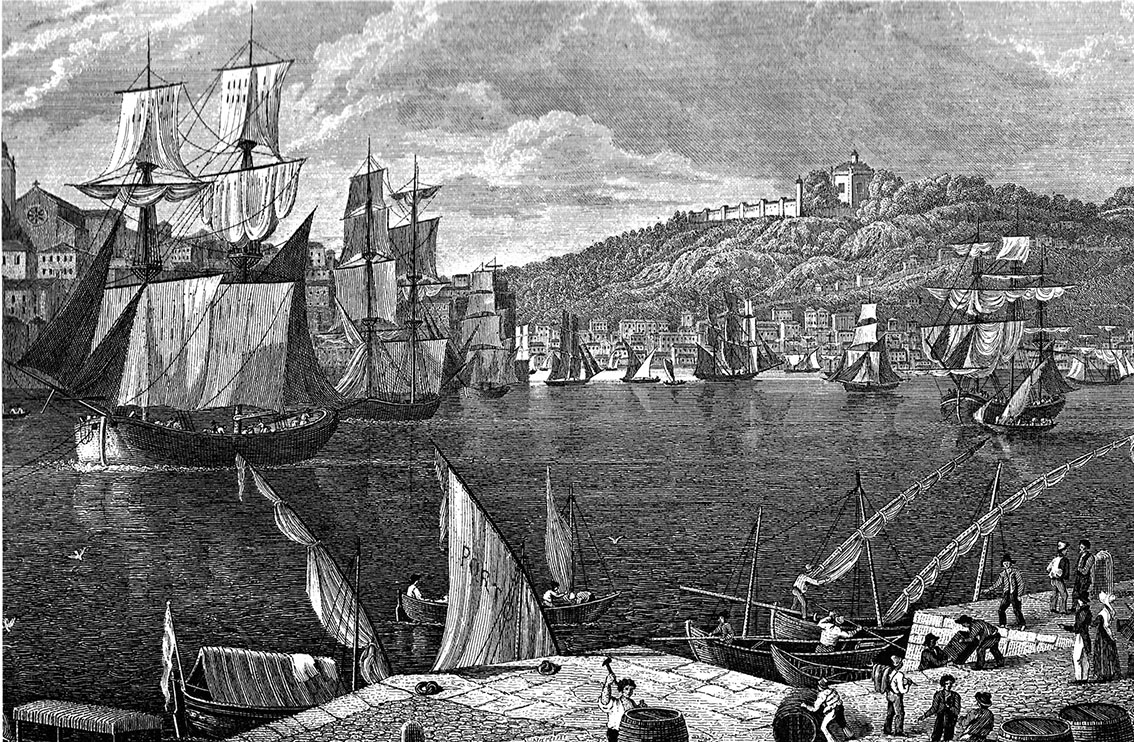
By the 17th century, the bond between the Douro and the city of Porto tightened. Because Porto sat on the coast, it was the gateway to the world. At this time, wine began to be “fortified” with grape spirit to help it survive long sea voyages.
1678 is the big year in the history books, as the first time the term “Port Wine” appeared in customs records. But why did it become so popular? You can thank the rivalry between the English and French crowns. Yes! During the Nine Years’ War (1688–1697), the British blocked French imports. They needed a new tipple, and the Douro was ready to step up, forever changing the world’s taste for Portuguese wine.
The World’s First Wine Rules (1756).
Success, however, brought trouble. As Port became a “must-have” in London, quality began to slip. Unscrupulous dealers were mixing Douro wine with cheaper grapes from elsewhere. By 1754, British merchants were so fed up with the poor quality that they stopped buying altogether. The industry crashed and to save the region, the Companhia Geral da Agricultura das Vinhas do Alto Douro was created in September 1756. This was a world first! The Douro became the world’s first Demarcated Wine Region. They mapped out the vineyards, set price controls, and banned additives. It took France until the 20th century to catch up with their own “Appellation d’Origine” system!
The “Yellow Plague”.
In the 1860s, disaster struck in the form of Phylloxera. Tiny yellow insects from North America that ate the roots of European vines arrived at Europe. Since the native vines had no natural defence, the region was decimated. The solution was a bit of a “Frankenstein” move, grafting European vines onto resistant American roots. It worked, but the damage was done. Even today, if you visit the Douro, you can see the “mortórios” (cemeteries), the haunting and abandoned stone terraces that were never replanted after the plague.
By the late 1890s, prosperity returned. Vintage Port became a symbol of prestige across the UK, Holland, Scandinavia, and France. This “Golden Age” lasted until the 1920s, providing the capital for Port Houses to perfect their styles and improve their estates.
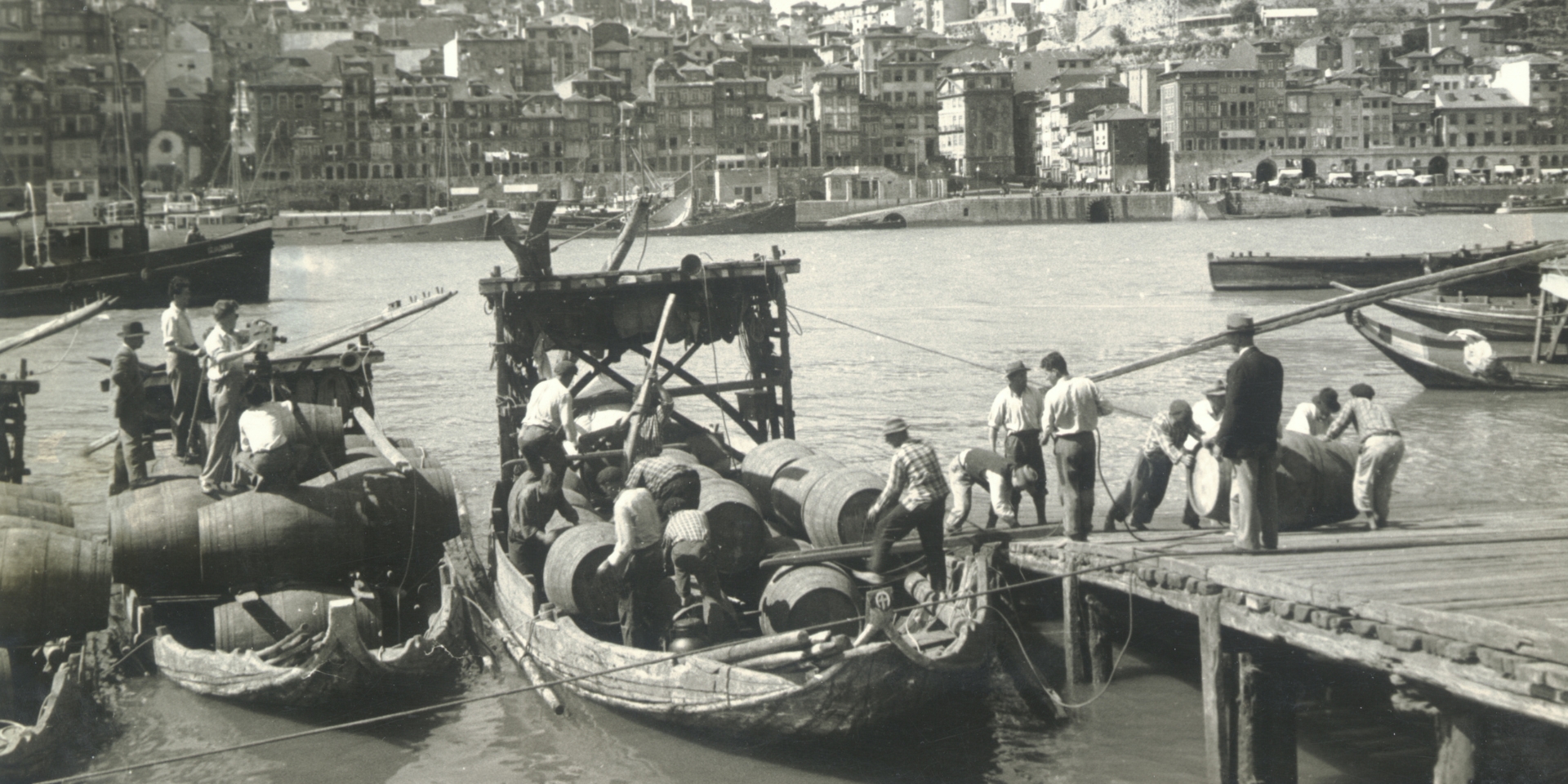
Modern Times: The Birth of the LBV, the acclaimed Vintage Port and other styles.
After the World War II, the world changed. The British independent pubs and wine merchants in that once sustained the trade were replaced by stores and supermarkets. Port had to adapt to a new type of consumer and new kind of markets. Basically, until the 1930, you usually had two choices: expensive Vintage Port (which required decanting and years of patience) or basic Ruby Ports more accessable to major people. In the 1960s and 70s, Taylor’s spotted a gap in the market and developed Late Bottled Vintage (LBV), high-quality wine from a single year, but because it spent longer in the barrels, it was ready to drink as soon as it was bottled, with no decanting required!
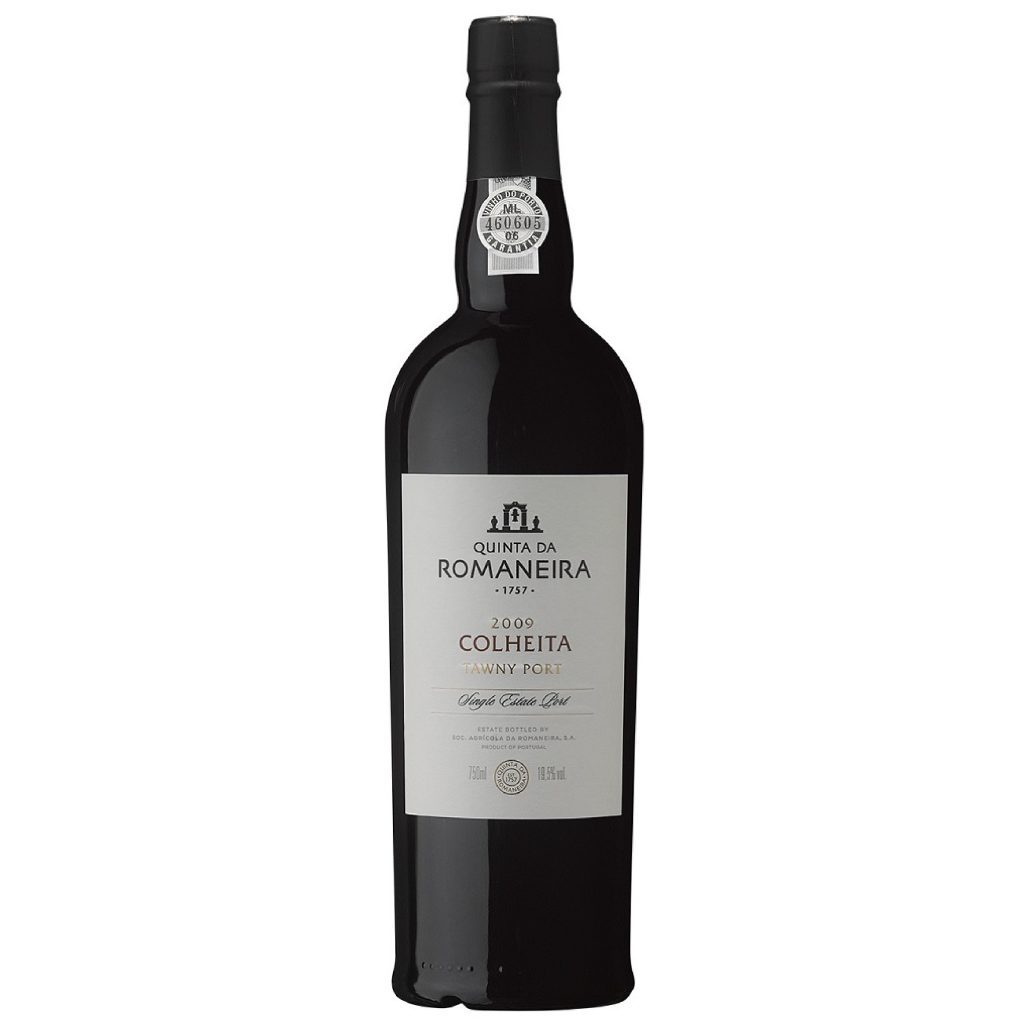
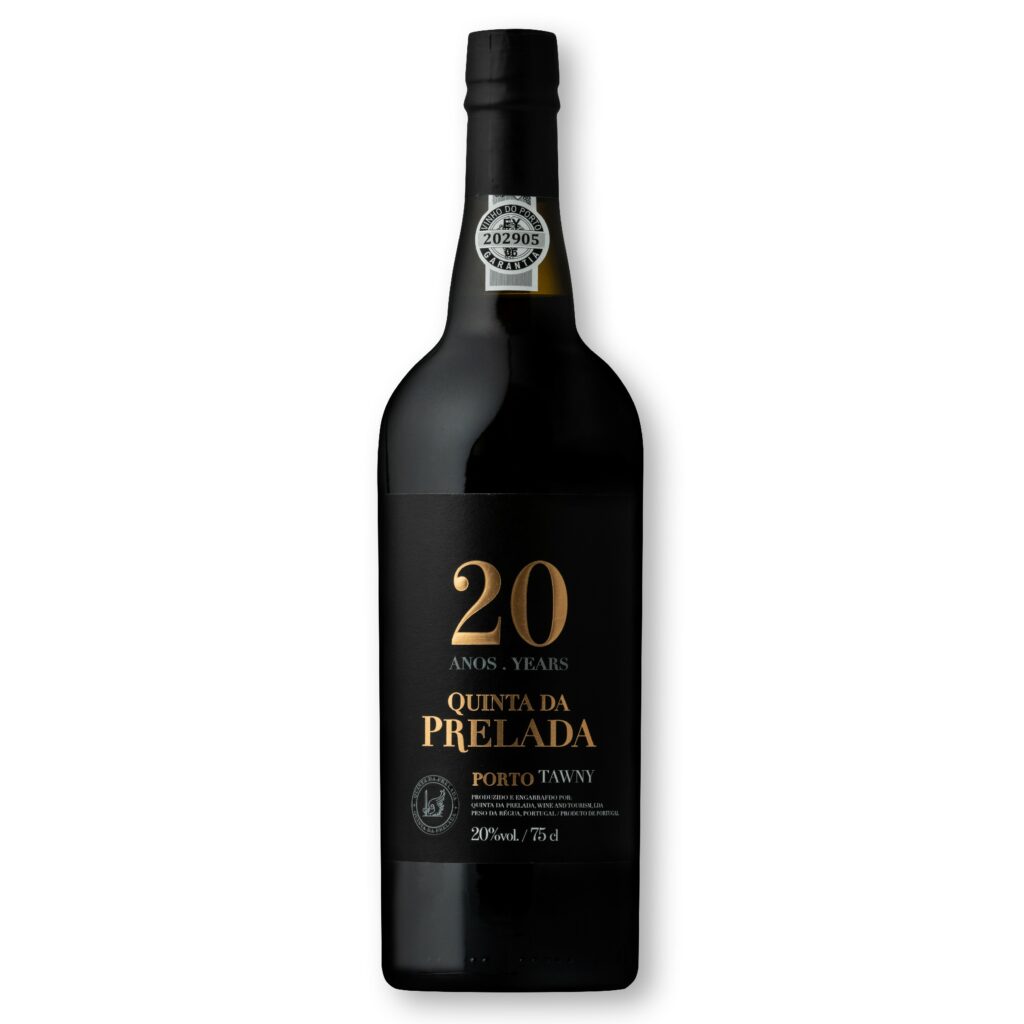
In 1973, new laws also allowed for Aged Tawnies (10, 20, 30, and 40 years) to be clearly labelled, giving us the nutty, caramel delights we know today. These new categories didn’t just fill a gap, they secured Port’s place in the modern western lifestyle, perfectly aligning with a growing global obsession with fine wine and gastronomy. Today, the world of Port is more diverse than ever, offering a vast array of categories and designations to suit any occasion. From the fresh and floral White Ports to the complex Aged Tawnies and the prestigious Tawny Colheita, there is a wealth of history in every bottle. For those who love a fruitier profile, the options range from the vibrant Ruby and Ruby Reserve to the structured Late Bottled Vintage (LBV) and, of course, the legendary Vintage Port, which remains the ultimate expression of the region. Each of these styles boasts a specific profile, allowing for an incredible variety of gastronomic pairings, whether you are enjoying a casual aperitif, a rich dessert, or a sophisticated cheese board.
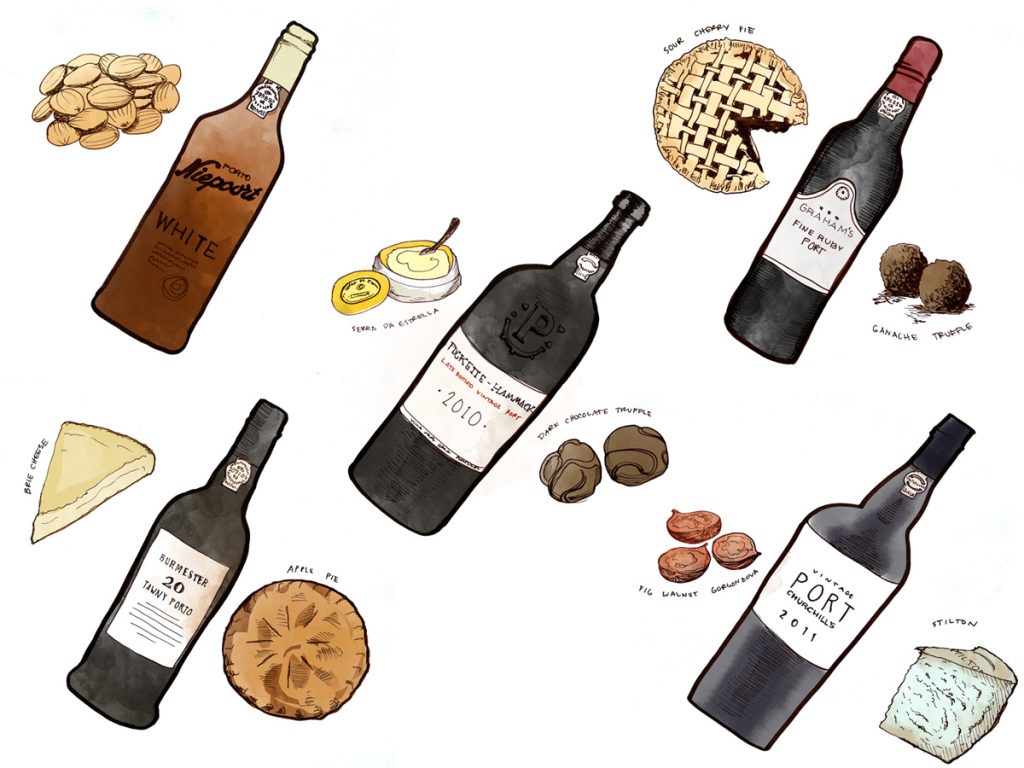
In 1973, new laws also allowed for Aged Tawnies (10, 20, 30, and 40 years) to be clearly labelled, giving us the nutty, caramel delights we know today. These new categories didn’t just fill a gap, they secured Port’s place in the modern western lifestyle, perfectly aligning with a growing global obsession with fine wine and gastronomy. Today, the world of Port is more diverse than ever, offering a vast array of categories and designations to suit any occasion. From the fresh and floral White Ports to the complex Aged Tawnies and the prestigious Tawny Colheita, there is a wealth of history in every bottle. For those who love a fruitier profile, the options range from the vibrant Ruby and Ruby Reserve to the structured Late Bottled Vintage (LBV) and, of course, the legendary Vintage Port, which remains the ultimate expression of the region. Each of these styles boasts a specific profile, allowing for an incredible variety of gastronomic pairings, whether you are enjoying a casual aperitif, a rich dessert, or a sophisticated cheese board.
This surge in demand for premium Port triggered a fresh wave of investment across the valley. From the vineyards to the cellars, new technologies and oenological methods have been introduced to refine every drop. Some of the most significant advances have been in how we actually plant the vines. This is no small feat when you’re dealing with the Douro’s infamously steep, gravity-defying hills! Today, there is also a deep commitment to the future, a growing focus on environmental and economic sustainability has led to the rise of the region’s first organic vineyards and pioneering sustainable viticulture models
Port Wine is a master of adaptation. It is steeped in tradition, yet it’s always finding new fans, from foodies exploring its gastronomic potential to a new generation discovering the joy of a chilled White Port.
Next Tuesday, January 27, on International Port Wine Day, we raise a glass to the Douro’s resilience and the amazing Port Wine. Cheers! 🍇🍷


Looks like you haven't made a choice yet.